


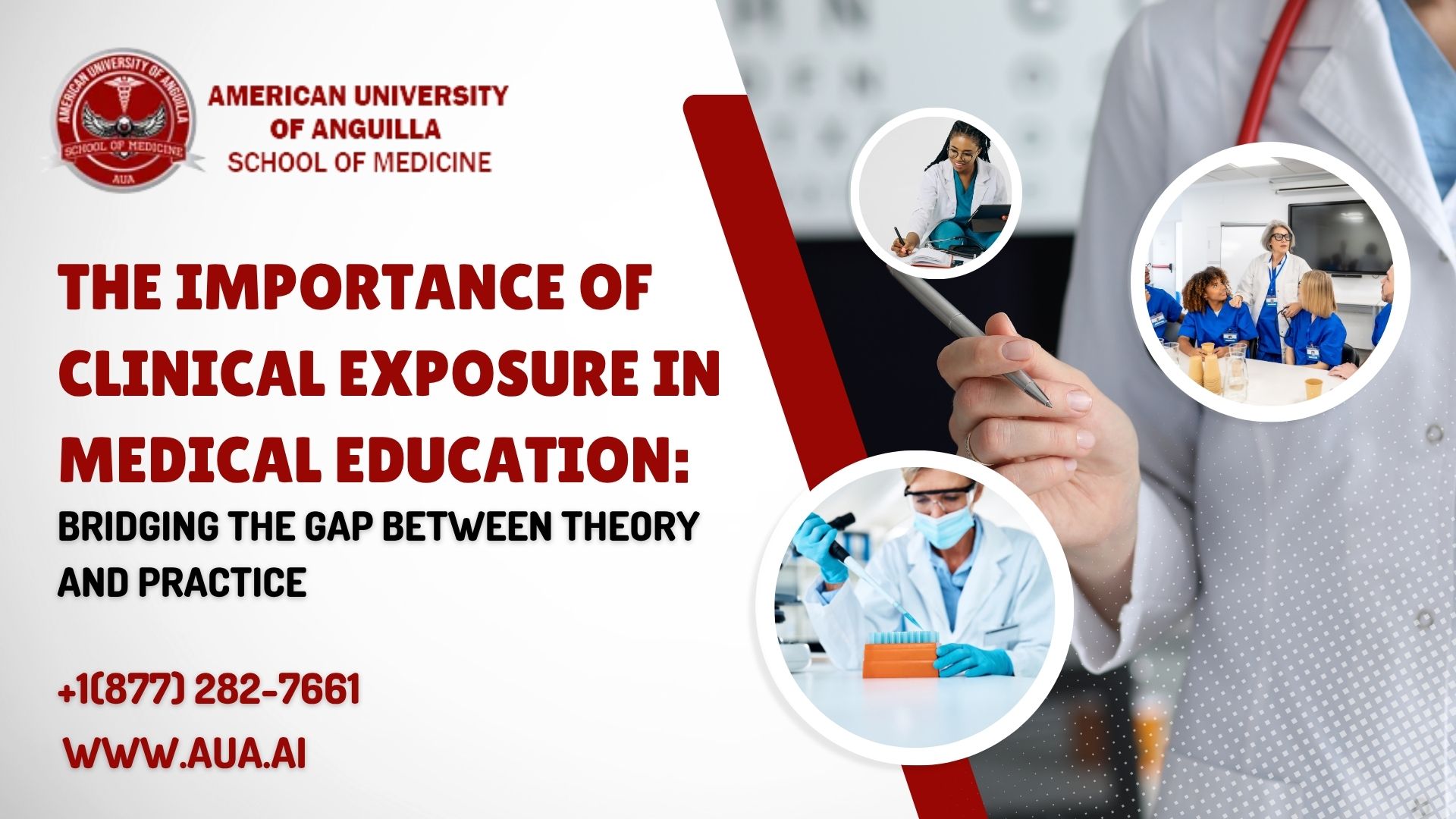
Clinical exposure is one of the most critical stages in a medical student’s journey. While classroom learning builds the foundation of medical knowledge, it is clinical experience that transforms students into confident, capable physicians.
At the American University of Anguilla, clinical exposure is an essential part of the MD pathway, helping students apply their knowledge in real healthcare environments and prepare for future medical practice.
In this blog, we explore why clinical exposure is so important and how it shapes the future of medical students.
What is Clinical Exposure in Medical School?
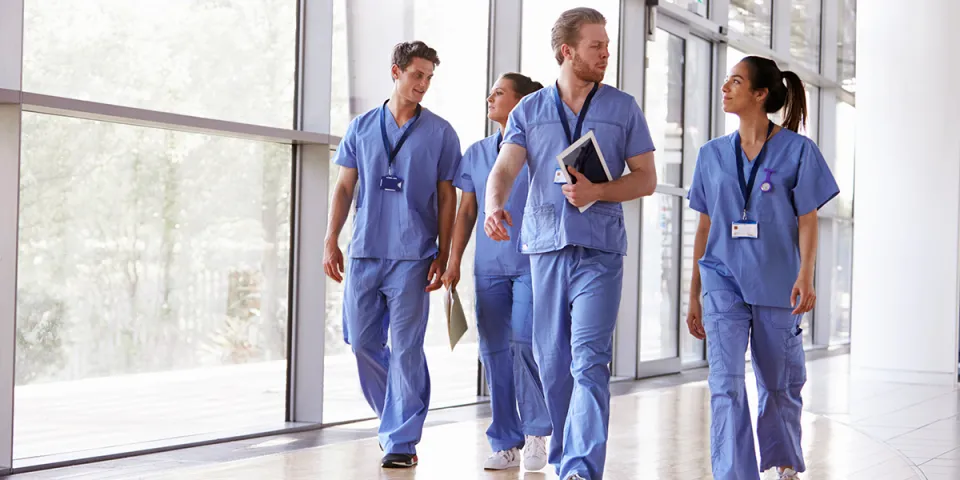
Clinical exposure refers to hands-on learning experiences in hospitals, clinics, and healthcare settings where medical students interact with real patients under supervision.
It includes:
- Patient history taking
- Physical examinations
- Clinical observations
- Participation in ward rounds
- Assisting healthcare professionals
This stage allows students to connect theory with real-world medical practice.
1. Turning Theoretical Knowledge into Practical Skills
Medical students study subjects such as anatomy, physiology, pathology, and pharmacology in classrooms. However, clinical exposure helps them apply this knowledge in real situations.
For example:
- Understanding symptoms in real patients
- Linking diseases to body systems
- Observing treatments in action
At the American University of Anguilla, students are guided to integrate classroom learning with clinical experience for deeper understanding.
2. Developing Strong Clinical Decision-Making
Clinical exposure helps students develop critical thinking and decision-making skills.
Students learn to:
- Analyze patient symptoms
- Identify possible diagnoses
- Suggest treatment options
- Work under supervision in real-time situations
These skills are essential for becoming a successful physician.
3. Improving Communication Skills with Patients
Effective communication is a key part of medical practice.
During clinical exposure, students learn how to:
- Talk to patients respectfully
- Gather accurate medical histories
- Explain conditions clearly
- Build trust with patients
This improves both patient care and professional development.
4. Building Confidence in Real Healthcare Settings
Many students initially feel nervous when entering hospitals or clinics. Clinical exposure helps them overcome this by:
- Familiarizing them with hospital environments
- Providing supervised learning opportunities
- Encouraging hands-on participation
Over time, students become more confident and prepared for independent practice.
5. Understanding Different Medical Specialties
Clinical exposure allows students to explore various specialties such as:
- Internal Medicine
- Surgery
- Pediatrics
- Obstetrics & Gynecology
- Emergency Medicine
This helps students make informed decisions about their future specialization.
6. Strengthening Professionalism and Ethics
In clinical environments, students also learn:
- Medical ethics
- Patient confidentiality
- Professional behavior
- Team collaboration
These values are essential for every healthcare professional.
Clinical Exposure at AUA
At the American University of Anguilla, clinical exposure is integrated into the MD program to ensure students are fully prepared for real-world practice.
Students benefit from:
- Structured clinical training pathways
- Supervised patient interactions
- Real hospital-based learning
- Experienced faculty mentorship
This hands-on approach ensures students graduate as confident and capable future physicians.
7. Preparing for Residency and Medical Careers
Clinical exposure plays a major role in preparing students for:
- Residency programs
- Licensing exams
- Hospital-based careers
- Global medical opportunities
It builds the foundation needed for long-term success in medicine.
Final Thoughts
Clinical exposure is a vital part of medical education that bridges the gap between theory and practice. It helps students develop confidence, clinical skills, and professional values that are essential for their future careers.
At the American University of Anguilla, students receive strong clinical training that prepares them for excellence in healthcare.
Start Your Medical Journey Today
Take the first step toward becoming a future physician with the American University of Anguilla and gain the real-world experience needed for success in medicine.


